
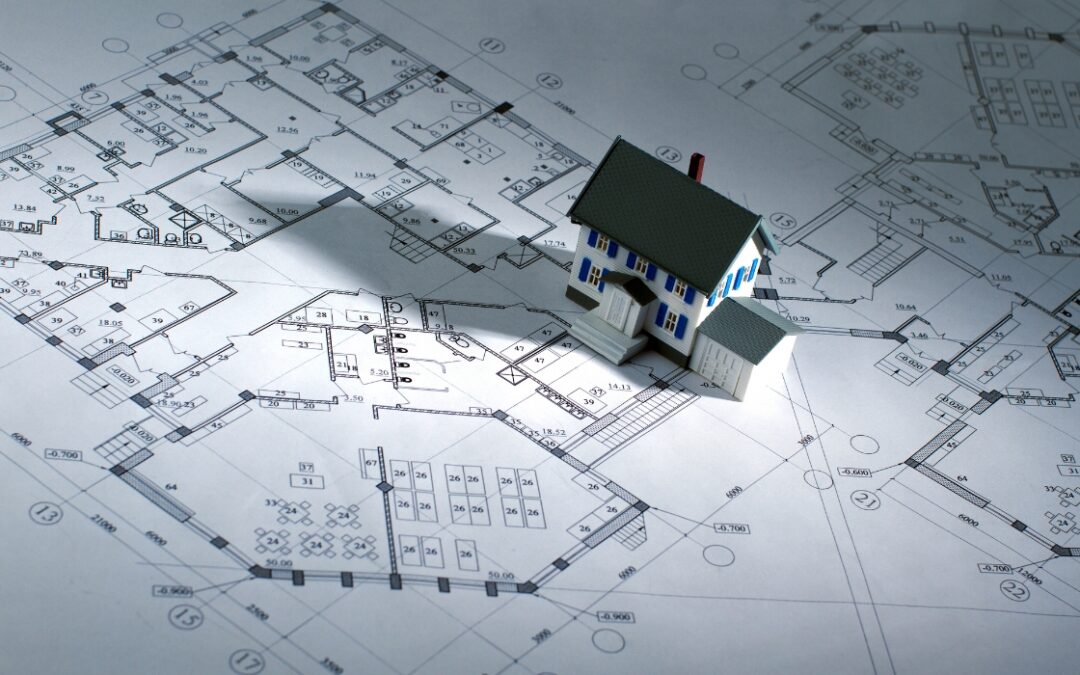
Design development is a crucial part of the architectural design process. It’s the third phase in the process, sitting between the schematic design and construction documents phases. This stage involves extensive refinement of the concepts established in the schematic phase. The initial sketches are fine-tuned into detailed plans, and materials and finishes are selected. It is also the point at which architectural review, structural coordination, and preconstruction services become even more valuable.

What Happens During the Design Development Phase?
In architectural design, the design development phase is where the drawings approved in the schematic design phase are fleshed out into build-ready plans. The project’s design team begins to integrate details into the design. They begin making decisions about the interior layout, structural elements such as doors and windows, and integrated systems.
The design development phase is also when preliminary assembly begins. In other words, the designers decide which materials will go into the project. Ultimately, design development ensures better alignment between design intent and buildability.
Why the Design Development Phase Matters More Than Many Owners Realize
Many owners move through the design development phase without realizing how much it shapes the project’s outcome. At this stage, decisions become more detailed and harder to change without ramifications. Coordination between architectural and structural elements reduces the likelihood of revisions later.
Design development also improves cost visibility and project readiness. As materials, systems, and quantities become more defined, estimates shift from rough projections to more reliable figures. This allows owners to make informed decisions before the documents are finalized.
A clear and coordinated design also supports a smoother transition to the next phase of construction documents. This reduces uncertainty for contractors and helps the project proceed with minimal disruptions.

Architectural Elements to Review During Design Development
The design development stage is where an architectural project starts to reveal how well it will actually perform once built. At this point, drawings are detailed enough to expose gaps, overlaps, and coordination challenges that are easy to miss earlier. Architectural design review allows the design team to address these issues before they carry into construction documents and create larger problems on site.
Exterior Wall Assembly
The design team reviews exterior wall systems to confirm constructability and integration with structural elements. Some things to pay attention to include insulation, cladding, and moisture-control layers.
Windows and Doors
Doors and windows are reviewed so they align with the design intent and structural requirements. Designers look at the sizing of the openings, their placement, and material selection. Paying attention to these details ensures proper installation and guarantees they hold well over time.
Rooflines and Drainage
The design team must evaluate the roof design for both form and function. Drainage paths and slopes need to be clearly defined to avoid water management problems.
Interior Transitions and Feature Details
Interior elements, such as transitions between spaces and built-in features, require close attention, as they affect both aesthetics and usability. They also need to align with the project’s design language.
Material Relationships and Finish Coordination
It’s equally important to review material selections together rather than in isolation. Doing so ensures visual consistency and proper transitions between finishes. Coordinated materials also help avoid conflicts during installation.
Structural Elements to Review Before the Construction Documents Phase
The design development phase is a critical stage for validating how the structural system will perform under real-world conditions. Performing a review at this stage ensures that the system supports the design without introducing conflicts during the construction documents phase.
Beam and Column Locations
During the design development phase, designers check beam and column placement against the architectural layout. This helps maintain consistency with walls, grids, and functional spaces.
Framing Depth and Ceiling Coordination
Structural depth is reviewed alongside ceiling design and service routing. Conflicts between beams and building systems can lead to adjustments if not addressed early.
Long Spans and Open Spaces
Open areas require structural systems that can span longer distances without excessive deflection or cost. Evaluating these conditions early ensures that the chosen approach is practical.
Foundation and Load Path Refinement
The structural system must provide a clear and continuous load path from roof to foundation. Reviewing foundation design alongside soil conditions and structural loads helps stabilize the structure, reducing the risk of future revisions.

How Preconstruction Services Improve Design Development
Design development is effective when construction expertise is introduced early. Preconstruction services help ground design decisions in practical experience. This ensures the project is efficient, stays within budget, and has fewer downstream uncertainties.
One immediate benefit of preconstruction services is clearer feedback on how the design will come together on site. Construction professionals can highlight areas where detailing may create unnecessary complexity or where sequencing could become inefficient. This allows the design team to refine solutions before they become embedded in construction documents.
Cost awareness also tends to be more precise at this phase. Instead of relying on broad estimates, the design is tested against real pricing and market conditions. This helps identify elements that are driving cost and where value can be improved without sacrificing quality or intent.
Another outcome of incorporating preconstruction services into development design is reduced need for changes in subsequent stages of the architectural design process. When buildability and cost considerations are identified early, the design is less likely to face major revisions later.
Common Issues Caught in Design Development Review
Structural and architectural elements often reveal misalignment at this stage. Common issues include framing systems that interfere with spatial layouts or window placements that do not align with structural grids. These issues are less disruptive to correct during the design development review than during the construction documentation phase.
Another issue that often emerges during architectural review is overly complex detailing. The problem with this is that it increases construction difficulty without improving design outcomes.
During the design development phase, the project scope can expand as materials and systems are refined. When this happens, it can create budgetary pressures. Resolving these issues early helps maintain alignment between design intent and cost expectations.
How a Strong Design Development Phase Leads to Better Construction Documents
A well-coordinated design development phase strengthens the construction documentation process in several ways. First, it resolves major architectural and structural decisions early, and the team avoids carrying uncertainty into later stages. This reduces the likelihood of change orders due to missing details or design conflicts that only become apparent during construction.
It also creates a clearer and more complete set of documents for contractors to work from. With fewer ambiguities, there are fewer questions during bidding and construction. This improves efficiency and minimizes delays. On-site, this translates into smoother coordination and more reliable execution.
Book a Consultation With Finley Contracting Inc. Today
Design development is where projects either become clear or start to drift. When coordination is handled properly at this stage, construction documents are more complete, and construction runs with fewer surprises. It also helps protect design intent while keeping buildability in focus.
At Finley Contracting Inc., we support owners and architects by reviewing decisions before they are finalized. If you are currently in design development, contact us early so we can help align the design with construction reality and reduce avoidable changes later in the process.
