
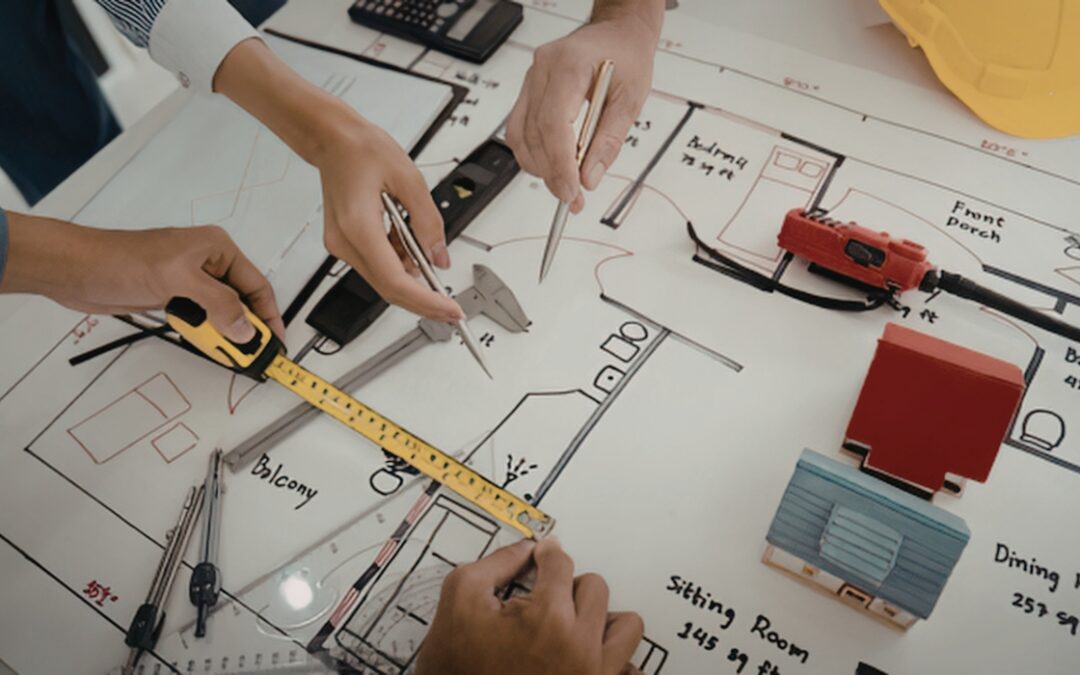
The schematic design phase is where vision starts becoming reality. At this early stage, a project begins to move from ideas and inspiration into a defined concept with layout, form, scale, and structural direction. While the drawings are still preliminary, the decisions made here can have a lasting impact on budget, constructability, schedule, and overall project success.
For owners planning a custom home, large remodel, winery facility, or commercial building, this is one of the most important phases in the process. It is also the right time for a builder to step in and provide practical feedback through preconstruction services, helping the team evaluate how the design will perform in the real world.
At Finley Contracting, projects are built with a strong emphasis on craftsmanship, coordination, and collaboration. That makes early review during the schematic design phase especially valuable, because great construction starts with great planning.

What Is the Schematic Design Phase?
The schematic design phase is the first major stage of design development in a construction project. During this phase, the architect translates the owner’s goals, priorities, and vision into an initial building concept.
This usually includes:
- Preliminary floor plans
- Conceptual exterior elevations
- Basic building massing
- Early site placement
- Initial structural direction
- General material and style cues
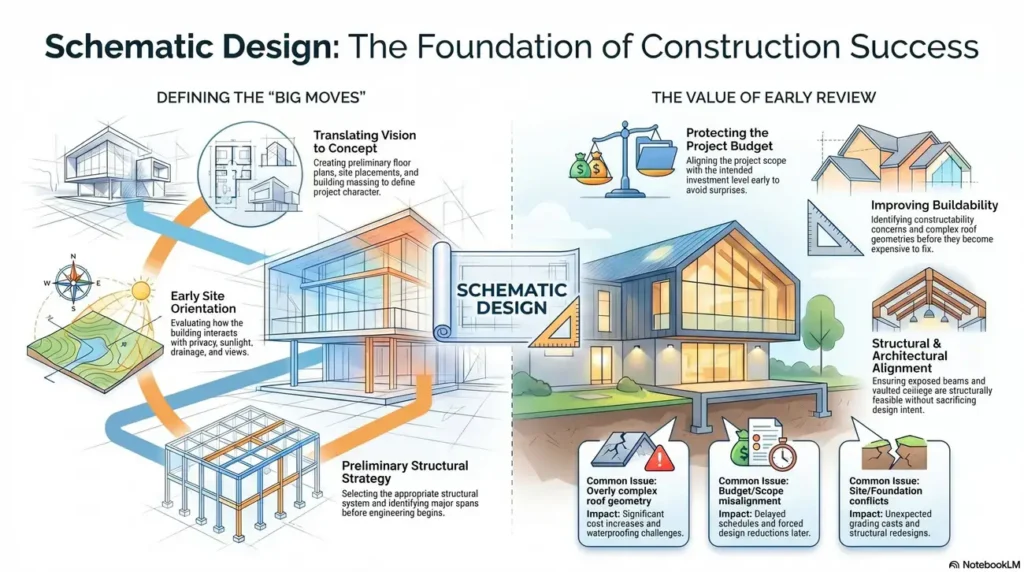
At this point, the design is not yet fully detailed. Instead, the focus is on the “big moves” that define the project. The team is working through how the spaces relate to each other, how the building will sit on the site, and what the overall form and character will be.
Because these early decisions shape everything that follows, the schematic design stage is the ideal time to review both architectural and structural elements before the project becomes harder and more expensive to revise.
Why Early Architectural Review Is So Important
A strong architectural review during schematic design does more than confirm that the building looks good on paper. It helps determine whether the design truly supports the way the owner wants to live, work, or use the space.
This review typically looks at questions such as:
- Does the floor plan support daily functionality?
- Are room adjacencies logical?
- Is the scale of the building right for the site?
- Do the exterior forms align with the intended style?
- Will major design features create unnecessary complexity during construction?
An appealing concept can still create problems later if circulation is awkward, rooflines are overly complicated, or key architectural features are difficult to execute. That is why early builder input matters. When a contractor participates in reviewing schematic design documents, the project team can spot concerns early and refine the design before those decisions become locked in.
For custom projects, this type of review is not optional. It is an essential part of protecting design intent while making sure the project can be built efficiently and to a high standard.
Reviewing Structural Elements During the Schematic Design Phase
In addition to architecture, structural planning should also begin taking shape during the schematic design phase. Even though final engineering is still ahead, the team should already be evaluating how the project will stand, span, and perform.
This early structural review often includes the following.
Preliminary framing strategy
The team begins discussing the most appropriate structural system for the project. Depending on the design, this could involve conventional framing, steel, engineered lumber, timber systems, or a hybrid approach.
The right structural direction is not just about support. It also affects cost, detailing, construction sequencing, and the overall visual character of the building.
Major spans and open spaces
Large open rooms, wide door openings, expansive glazing, and covered outdoor living areas all influence structural planning. These features often look simple in concept drawings, but they can introduce significant complexity if not reviewed early.
The schematic stage is the right time to evaluate how the desired openness will affect beams, columns, load paths, and framing depth.
Foundation implications
Site conditions matter from the start. Slope, grading requirements, retaining walls, and soil conditions can all affect the structural approach and project budget.
A conceptual review of foundation implications during schematic design helps avoid surprises later, especially on custom residential and hillside projects.
Structural alignment with architectural intent
The structure should support the architecture, not compete with it. If exposed beams, tall glass openings, vaulted ceilings, or clean modern lines are part of the design, the structural direction should be considered early enough to preserve those features.
That coordination is one of the most important benefits of reviewing structural and architectural elements together.
Key Architectural Elements to Review Early
During the schematic design phase, the team should take a close look at the core architectural elements that define the success of the project.
Site orientation
The position of the building affects privacy, views, sunlight, drainage, access, and the relationship between indoor and outdoor spaces. A good concept on the wrong orientation can create missed opportunities that are difficult to fix later.
Floor plan organization
This is the stage to confirm that the plan supports how the owner will actually use the building. That includes circulation, storage, gathering areas, private zones, and functional day-to-day living.
Massing and proportions
The overall shape and scale of the building should feel intentional and balanced. Early massing studies help determine whether the project feels too large, too compressed, too complicated, or just right for the site and design goals.
Exterior character
Roof forms, window placement, entry sequence, and façade composition all contribute to the building’s identity. These features should be reviewed together rather than in isolation.
Scope alignment
Just as important as design quality is whether the concept aligns with the project’s likely investment level. The schematic stage is the right time to determine whether expectations and scope are moving in the same direction.
How Preconstruction Services Add Value at This Stage
The schematic design phase is where preconstruction services can have a major impact.
When a builder is involved early, they can help the owner and design team evaluate the concept through the lens of real-world construction. That often includes:
- Identifying constructability concerns
- Highlighting cost drivers early
- Noting schedule implications
- Recommending practical alternatives
- Improving coordination between architect and engineer
- Supporting smarter decisions before drawings become more detailed
This is not about limiting creativity. It is about making sure the design remains aligned with budget, performance, and buildability.
For complex or high-end projects, early collaboration can save significant time and money later by reducing redesign, avoiding preventable conflicts, and improving the overall quality of documentation.
Common Issues That Can Be Caught During Schematic Design Review
A thoughtful architectural review and structural review during schematic design can help uncover issues such as:
- Overly complex roof geometry
- Misalignment between open-plan goals and structural feasibility
- Large openings that require costly structural solutions
- Room layouts that do not function well in daily use
- Site decisions that increase grading or foundation cost
- Scope that exceeds the intended budget
- Exterior features that will complicate waterproofing or installation
Catching these issues during the schematic design phase is far better than discovering them after the design is advanced or the project is out to pricing.
Why This Matters for High-End Custom Construction
On custom homes, major remodels, winery projects, and specialty commercial work, the quality of the finished building depends heavily on the decisions made early in design.
These are not commodity projects. They often involve unique sites, custom detailing, demanding performance expectations, and a high level of owner involvement. That means the process has to be more deliberate.
A well-executed schematic design phase gives the team the opportunity to:
- Clarify the project vision
- Strengthen the architectural concept
- Coordinate structural direction early
- Improve budget awareness
- Set the project up for smoother design development
For builders like Finley Contracting, early collaboration is part of building well. When architectural and structural elements are reviewed early, the project has a stronger foundation for everything that follows.
Final Thoughts
The schematic design phase is where critical project decisions begin taking shape. It is the right time to review architectural and structural elements, ask practical questions, and align design intent with real construction considerations.
For owners, that means more clarity and fewer surprises.
For architects and engineers, it means better coordination.
For builders, it means a more efficient and more buildable project.
Most importantly, it sets the tone for the quality of the work ahead.
When the right team is involved early, schematic design becomes more than a concept stage. It becomes the starting point for a better-built project.
Looking for a builder who can contribute practical insight early in the process? Finley Contracting works closely with owners, architects, and consultants to support thoughtful planning, strong coordination, and exceptional results from design through construction. Reach out today!
